
The City at the Edge of Modernity
Felix AustriaThis flow traces how technological change, urban diversity, and imperial confidence coexist with poverty, instability, and rumors of collapse.
increasing Bearing strength in each event
 decreasing
Bearing strength in each eventdecreasingA City of New Machines

Modernity Arrives
New technologies
Automobiles, electric lights, telephone lines, photography, and moving images reshape daily life. Stefania observes that recent discoveries challenge inherited explanations of bodies and nature.
Wonder and unease
Progress creates excitement but also fear that science may explain away mystery. The city’s modernity is not a clean break from the past; old beliefs and new devices occupy the same streets.
A Multilingual Street
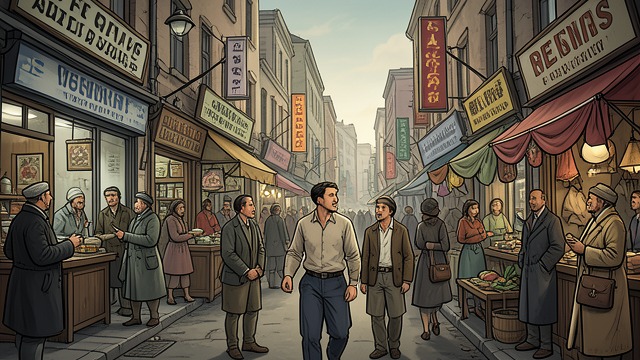
Everyday Diversity
Overlapping communities
Stefania passes among Polish, Ukrainian, German, and Jewish residents, shops, places of worship, and working neighborhoods. Different languages and customs structure the city’s daily encounters.
Unequal conditions
The cultural variety coexists with poverty, overcrowded housing, mud, and sharply divided social spaces. The city’s richness does not mean that its inhabitants share equal security or opportunity.
Imperial Celebrations

Loyalty in Public
A decorated city
The streets fill with banners, portraits, lights, military music, and civic ceremony for François-Joseph. Stefania and her household join the procession and the crowd.
A name from a slogan
Petro names the newly arrived boy Felix after seeing the words “Felix Austria.” The cheerful imperial motto gives the child a name even as later events expose the instability beneath the celebration.
Rumors of Collapse

Fear Beneath the Festivity
Stories spread
Rumors claim that worlds are splitting and that the empire may be swept away. Stefania dismisses such talk by invoking the emperor’s health and the stability of the succession.
Confidence under strain
Her reassurance sits beside floods, thefts, poverty, and political uncertainty. The rumors articulate fears that official celebrations cannot fully suppress.
The Empire as an Illusion
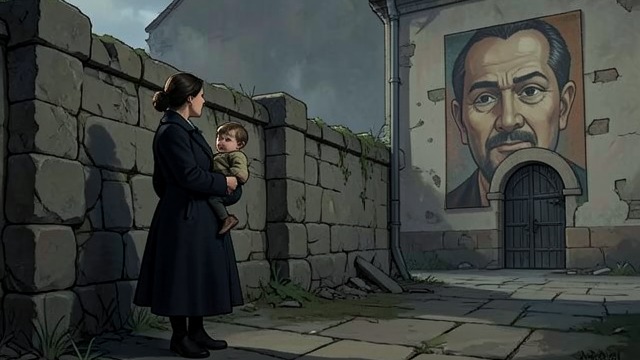
The Motto Cannot Hold
A fragile promise
Stefania imagines her love as eternal and immutable, like the empire, even while the household around her is collapsing. Political loyalty and private devotion draw on the same language of permanence.
Certainty gives way
The burning villa and exposed relics make permanence impossible to trust. The imperial ideal survives as an emotional promise, not as proof that the world is secure.
Around 1900
During Stefania’s 1900 rides through the city
August 1900, François-Joseph’s seventieth birthday
Summer 1900, after Felix appears
Near the novel’s ending
